
How to Limewash a House Exterior — Step-by-Step Guide
How to Limewash a House Exterior — Step-by-Step Guide
Limewashing the exterior of your house is one of the most effective ways to transform its appearance while adding long-term protection and character. The soft, matte, breathable finish gives brick, stone, or rendered homes a beautiful aged European or modern farmhouse look that regular paint simply cannot achieve.
In this complete step-by-step guide, we’ll walk you through exactly how to limewash a house exterior successfully — from preparation to final application — with practical tips to avoid common mistakes and achieve professional-looking results.
Why Limewash Is Excellent for House Exteriors
Limewash is a mineral-based paint that bonds chemically with masonry surfaces. Unlike acrylic exterior paints that form a plastic film, limewash remains breathable. This allows moisture trapped in the walls to escape, reducing the risk of damp, efflorescence, and spalling — common problems with sealed exterior paints.
When applied correctly, exterior limewash can last 10–20 years or more while developing a lovely natural patina that improves with age. It softens the appearance of brick or render, brightens dark façades, and gives the house a warm, timeless aesthetic.
Best Surfaces for Exterior Limewash
Limewash works best on porous masonry surfaces such as:
- Brick (especially older, softer bricks)
- Stone
- Render / stucco
- Concrete block
It is not recommended for modern smooth fiber cement cladding, vinyl siding, or sealed surfaces without proper preparation.
Step 1: Choose the Right Exterior Limewash
Not all limewash is suitable for outdoors. Use a high-quality exterior-grade limewash specifically formulated for outdoor use. These formulas contain additives that improve weather resistance and UV stability while maintaining breathability.
Popular reliable options include exterior versions from Zubracolors, Romabio, and Bauwerk Colour. Always check that the product is labeled for exterior application.
Step 2: Prepare the Exterior Surfaces
Preparation is critical for long-lasting results on a house exterior.
1. Clean thoroughly — Use a pressure washer on a medium setting to remove dirt, moss, algae, and old paint. For stubborn areas, use a masonry cleaner. Rinse well and allow the walls to dry completely (this can take several days).
2. Repair damage — Fix cracked mortar, replace damaged bricks, and fill holes. Repoint mortar joints if they are loose or crumbling.
3. Test for efflorescence — White powdery deposits must be removed and treated before painting.
4. Protect surrounding areas — Cover windows, doors, roofs, plants, and ground surfaces with plastic sheeting and drop cloths.
Step 3: Prime (If Necessary)
Many exterior limewash products recommend a breathable stabilizing primer or primer/sealer, especially on new render, highly absorbent brick, or previously painted surfaces.
Follow the manufacturer’s recommendation. A good primer helps control suction and ensures even absorption of the limewash, reducing patchiness.
Step 4: Mix and Apply Limewash
Mix the limewash according to the brand’s instructions. Most exterior limewash needs dilution with clean water. Stir thoroughly and let it rest before use.
Application tips for best results:
- Work on dry days with temperatures between 50–85°F (10–29°C). Avoid direct strong sunlight.
- Apply with a large masonry brush or professional sprayer followed by back-brushing.
- Use random crisscross strokes to create natural variation.
- Apply 2–3 thin coats rather than one thick coat.
- Keep a wet edge and blend sections as you go to avoid lap marks.
Allow each coat to dry fully before applying the next (usually 24 hours, but check the product instructions).
Step 5: Protect and Maintain
Exterior limewash is quite durable but benefits from protection in exposed areas. Some brands recommend a final breathable water-repellent sealer after full curing, especially on north-facing or very exposed walls.
Maintenance is minimal. Gently clean with a low-pressure wash every few years. Avoid harsh chemicals or high-pressure washing that can damage the finish.
Common Mistakes to Avoid
Applying on damp walls or in cold/wet weather is the biggest cause of failure. Not cleaning thoroughly leads to poor adhesion and peeling. Using interior limewash outside will result in rapid fading and breakdown. Applying too thickly causes cracking and flaking.
Expected Results & Longevity
When done correctly, limewashed exteriors look soft, elegant, and full of character. The finish softens harsh brick colors and gives the house a warm, European villa or modern farmhouse appearance.
With proper preparation and quality exterior-grade limewash, you can expect 10–20 years of attractive performance, often with beautiful natural aging that many homeowners find even more appealing over time.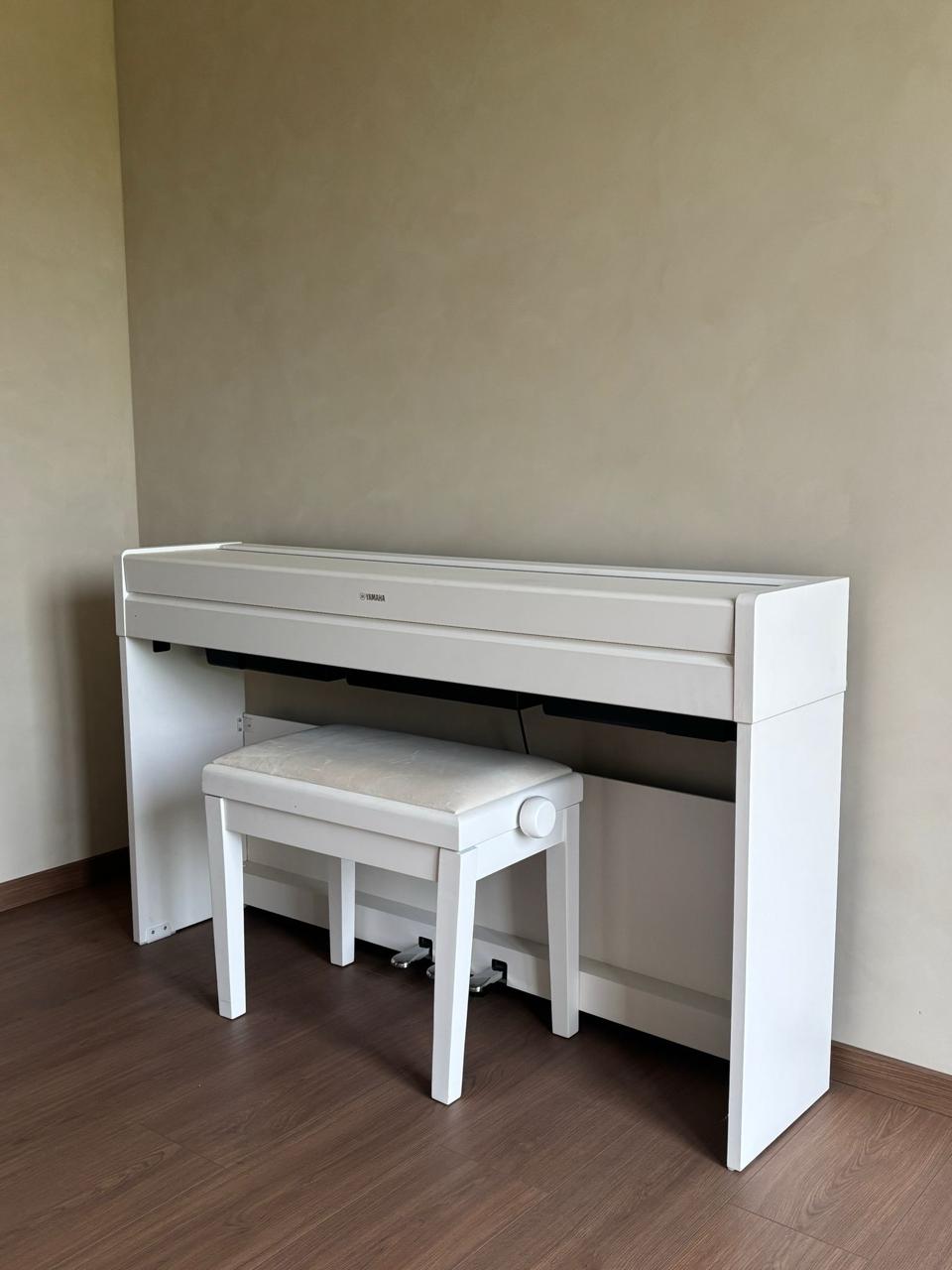
Final Thoughts
Limewashing your house exterior is a rewarding project that can dramatically improve curb appeal while providing a breathable, protective finish that regular paint cannot match.
Take your time with preparation and use a proper exterior-grade limewash. The soft, textured, timeless result will make your home look more beautiful and feel more connected to its surroundings.
Ready to transform your house? Start with thorough cleaning and testing samples on your actual exterior walls. The beautiful, aged limewash effect is worth the effort.