
Limewash Feature Wall Ideas — Transform One Wall, Change Everything
Limewash Feature Wall Ideas — Transform One Wall, Change Everything
If you want to upgrade your interior without committing to a full room renovation, a limewash feature wall is one of the most effective solutions. It’s simple in concept—just one wall—but the visual impact can completely transform how a space feels.
Limewash paint adds depth, softness, and natural movement. When applied to a single wall, it creates a focal point without overwhelming the room. The result is subtle but powerful: a space that feels designed, layered, and intentional.
In this guide, you’ll discover how to design a limewash accent wall, where to use it, what colors work best, and how to avoid common mistakes.
Why Choose a Limewash Feature Wall?
A feature wall is about balance. Instead of covering every surface, you focus attention on one area. Limewash makes this approach even more effective because of its texture and tonal variation.
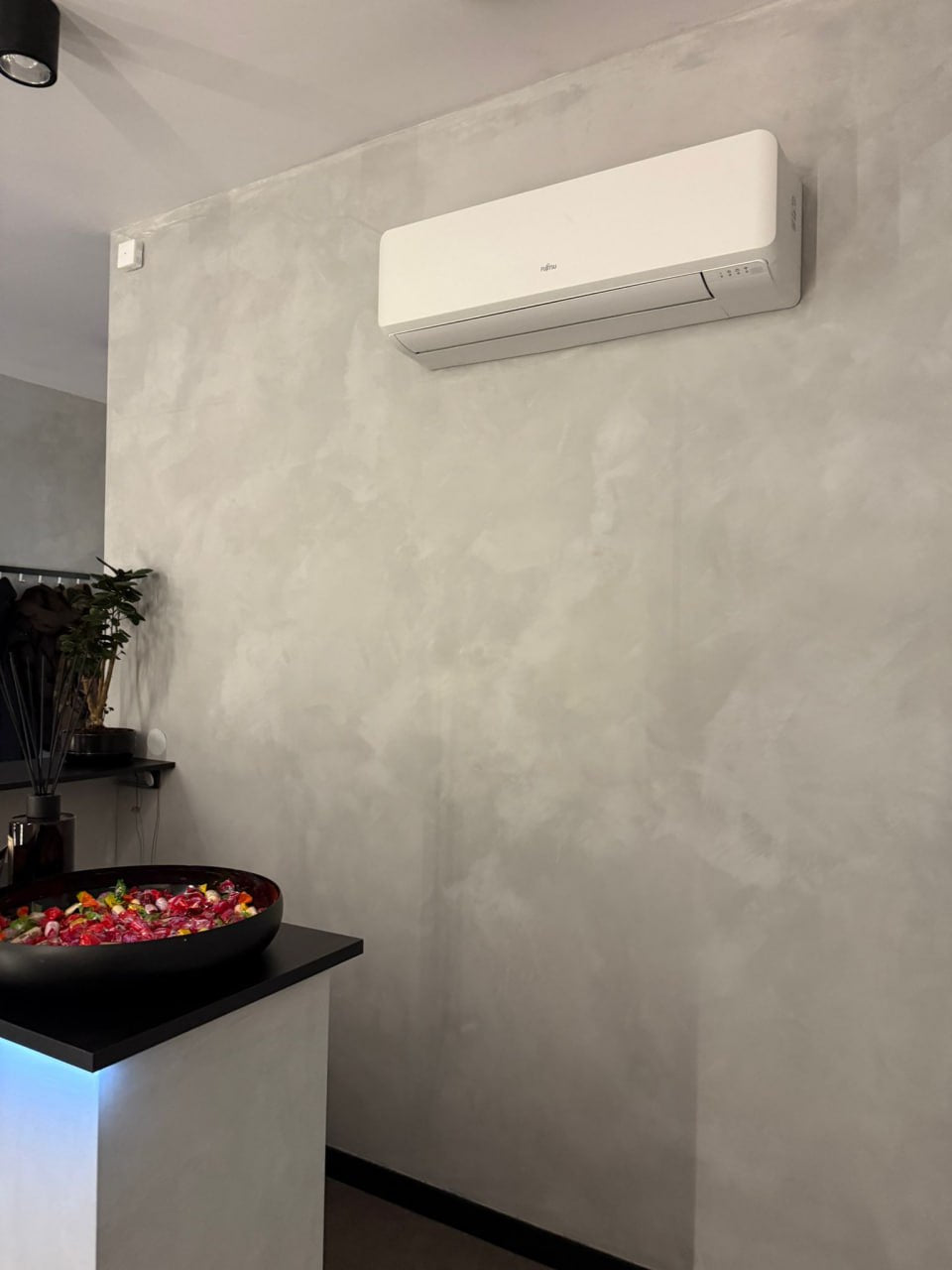
Benefits of a limewash accent wall:
- Adds depth without heavy decoration
- Creates a focal point in the room
- Works with both modern and classic interiors
- More affordable than doing the entire room
- Allows you to experiment with color
It’s ideal if you want a noticeable change without a full redesign.
What Makes Limewash Different from Regular Accent Walls?
Traditional accent walls rely on bold colors or patterns. Limewash works differently—it uses texture and subtle variation instead of sharp contrast.
With limewash, you get:
- Soft, cloud-like movement
- Natural, matte finish
- Light-reactive surfaces
- Organic, imperfect texture
This makes the wall feel alive rather than flat.
Best Places for a Limewash Feature Wall
Placement is everything. The right wall will enhance the entire room.
Top locations:
- Behind the bed (bedroom focal point)
- Behind the sofa (living room anchor)
- Dining wall (adds atmosphere)
- Entryway wall (first impression)
- Behind a TV unit or shelving
What to avoid:
- Walls with too many windows
- Highly cluttered areas
- Narrow or awkward wall shapes
The goal is to highlight—not compete with—your layout.
Limewash Feature Wall Color Ideas
Color selection is key. Because limewash has texture, even subtle tones look rich and layered.
Popular choices:
- Warm white – soft and timeless
- Beige and sand – natural and calming
- Light grey – modern and minimal
- Dark grey – bold and moody
- Earth tones – grounded and organic
Choosing the right tone:
- Small rooms → lighter shades
- Large rooms → can handle darker tones
- Low light → avoid very dark colors
Tip: Always test a sample before committing.
One Wall vs Full Room — When to Choose What?
Many people start with a feature wall before deciding whether to go further.
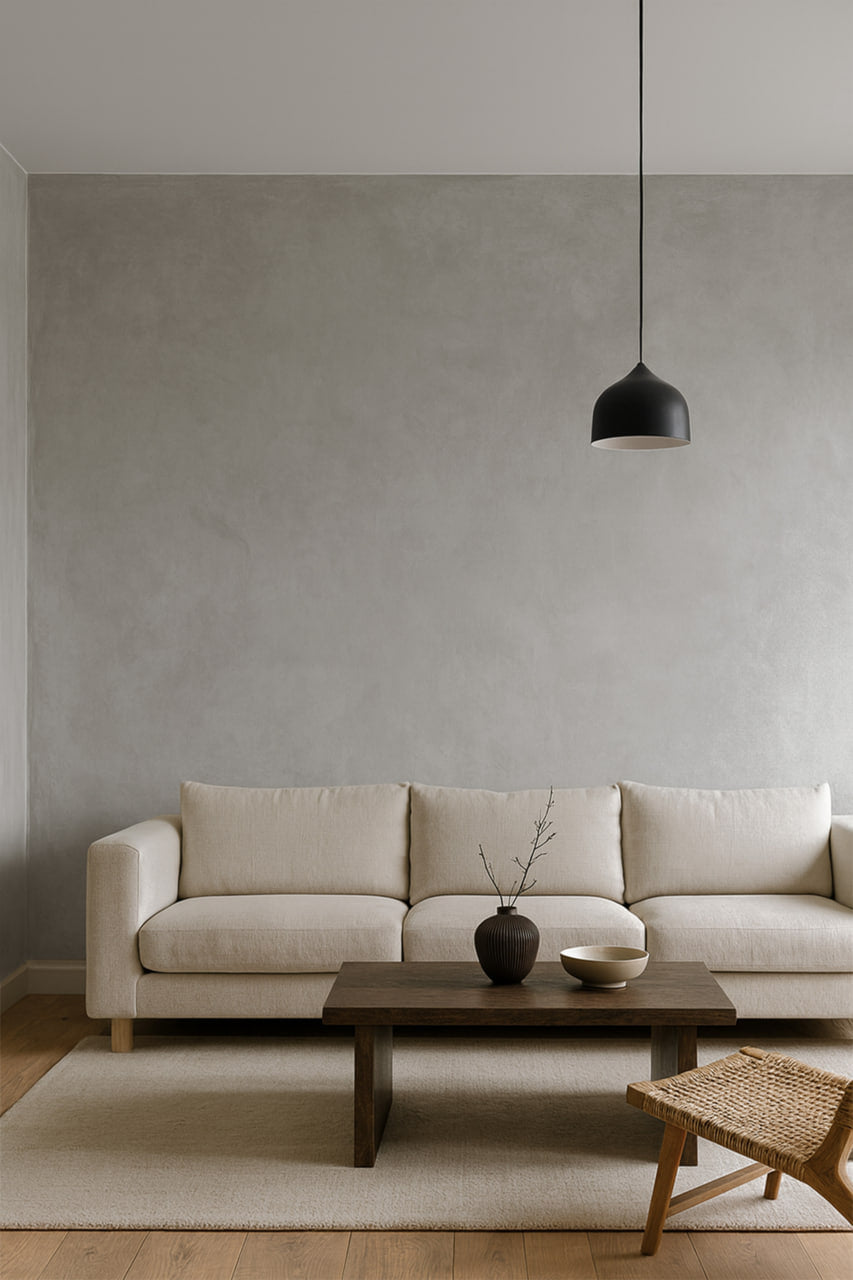
Choose one wall if:
- You want a subtle transformation
- You’re unsure about the color
- You prefer minimal design
- The room is small
Choose full-room limewash if:
- You want a cohesive, immersive look
- The space is large and open
- You love the texture effect
A feature wall is often the safest starting point.
How Lighting Changes a Limewash Accent Wall
Limewash reacts to light, which makes placement and lighting design crucial.
During the day:
- Natural light enhances texture
- Color appears more dynamic
At night:
- Warm lighting softens the look
- Creates a cozy, ambient feel
Best lighting options:
- Wall sconces
- Indirect lighting
- Warm LED (2700K–3000K)
Avoid:
- Harsh overhead lighting
- Cool white lighting
How to Style Around a Limewash Feature Wall
Your feature wall should be the star—but the rest of the room still matters.
Best styling approach:
- Keep furniture simple
- Use natural materials (wood, linen, stone)
- Limit strong patterns
- Repeat tones from the wall in decor
What works well:
- Minimalist interiors
- Scandinavian style
- Mediterranean-inspired spaces
- Modern organic design
The key is restraint. Let the wall speak.
Common Limewash Feature Wall Mistakes
A feature wall is simple—but easy to get wrong without planning.
Most common mistakes:
- Choosing the wrong wall
- Picking a color too dark for the space
- Ignoring lighting conditions
- Over-decorating the wall
- Expecting a uniform finish
Remember: limewash is meant to be imperfect.
How to Make a Feature Wall Look “High-End”
Small details make a big difference.
Tips for a premium look:
- Use high-quality limewash paint
- Apply in multiple thin layers
- Keep edges clean and sharp
- Match the wall with cohesive decor
- Use proper lighting
The finish should feel natural—not forced.
Is a Limewash Feature Wall Worth It?
If you want maximum impact with minimal effort, yes.
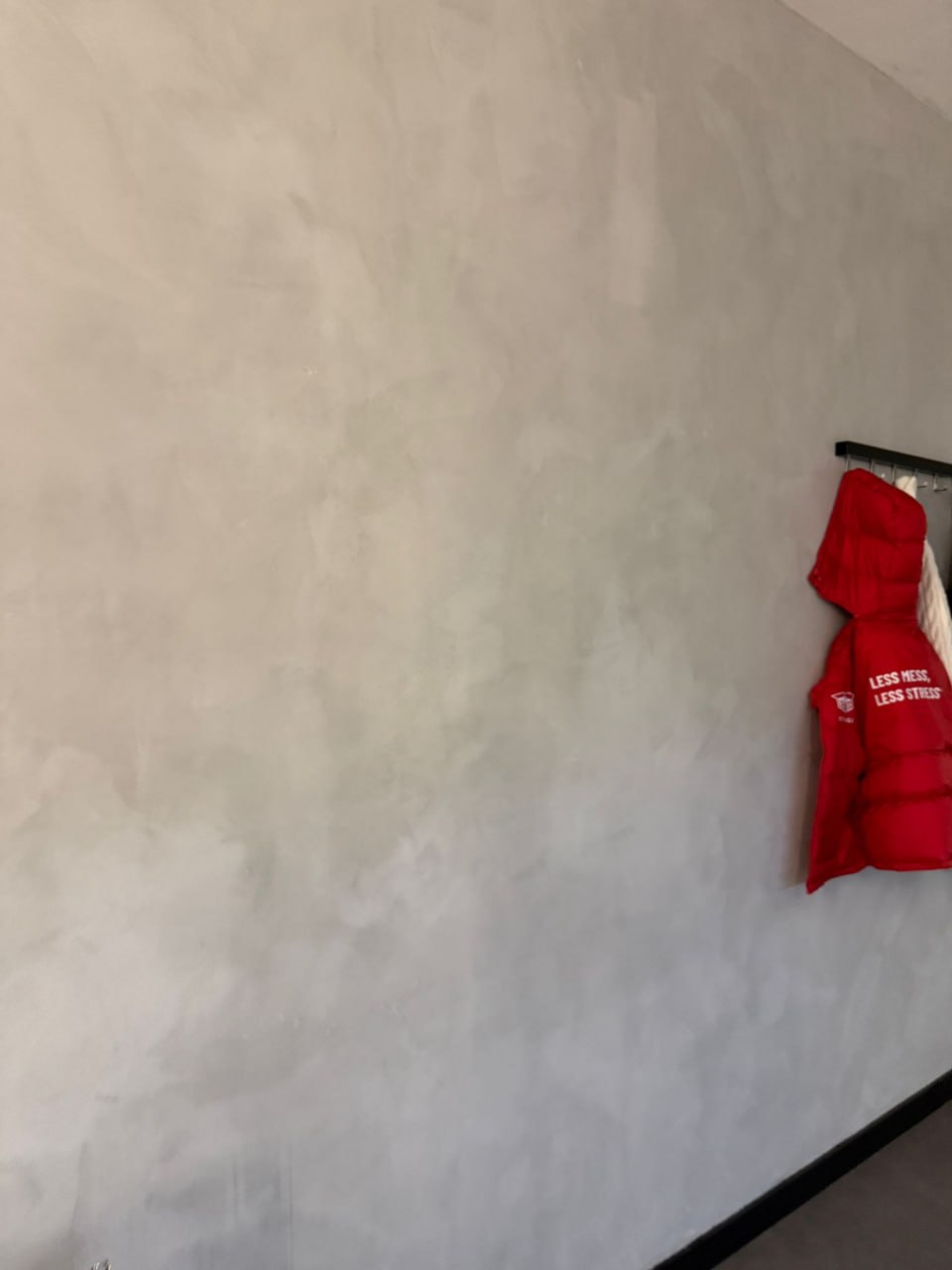
You get:
- A strong focal point
- More depth than standard paint
- A natural, timeless finish
- A flexible design element
It’s one of the easiest ways to elevate a room.
Final Thoughts
A limewash feature wall proves that you don’t need to redesign an entire space to make a difference. One wall—done well—can completely change the atmosphere of a room.
With the right color, placement, and styling, limewash creates a soft, textured backdrop that feels both modern and timeless.