
Limewash Paint Bathroom — Creating a Spa-Like Retreat
Limewash Paint Bathroom — Creating a Spa-Like Retreat
Limewash paint is becoming one of the most popular finishes for modern interiors—and bathrooms are no exception. If you’re looking to create a calm, spa-like space with soft textures and natural depth, limewash might be exactly what you need.
Unlike flat paints, limewash creates movement on the walls. It reflects light differently throughout the day, adds subtle texture, and brings a relaxed, organic feeling that works perfectly in bathroom design.
In this guide, you’ll learn how limewash works in bathrooms, where to use it, what to avoid, and how to create a space that feels like a private retreat.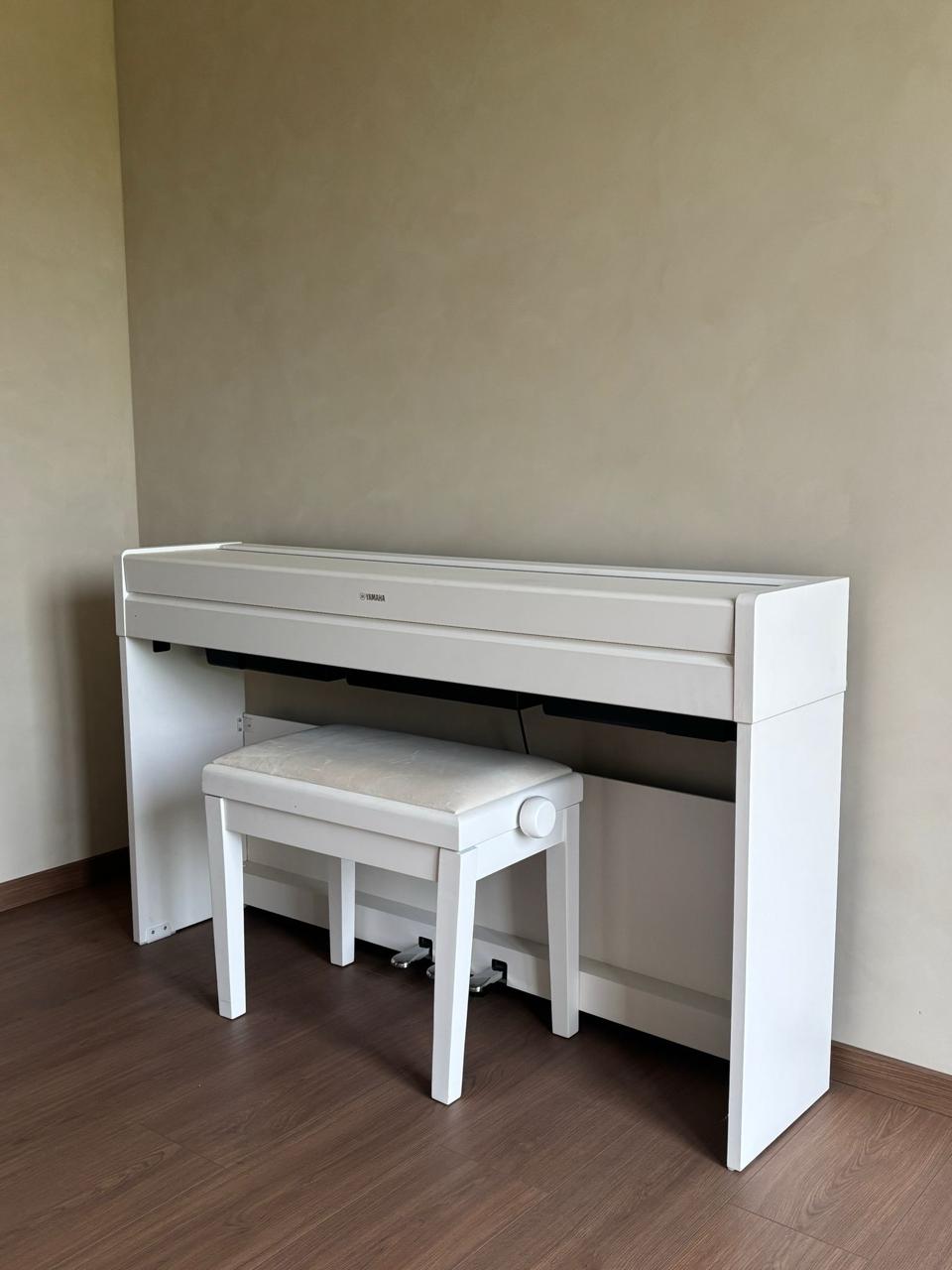
Why Limewash Paint Works in Bathrooms
Bathrooms are no longer just functional spaces. They are increasingly designed as places to unwind—and that’s where limewash fits perfectly.
Here’s why people choose limewash paint for bathrooms:
- Soft, matte finish that reduces glare
- Natural texture that adds depth without patterns
- Timeless look that doesn’t feel “trendy”
- Works beautifully with stone, wood, and ceramics
- Creates a calm, spa-like atmosphere
Instead of a flat painted wall, limewash gives you subtle variations in tone. This makes even simple bathrooms feel more designed and intentional.
Is Limewash Paint Suitable for Wet Rooms?
This is one of the most common questions: can you use limewash in a bathroom with moisture?
The short answer is yes—but with limits.
Where limewash works well:
- Walls outside direct water contact
- Ceilings
- Vanity areas
- Powder rooms
Where you should avoid it:
- Inside showers
- Direct splash zones (unless properly sealed)
- Areas with constant water exposure
Limewash is breathable, which is great for walls—but it’s not a waterproof coating by default. If you want to use it in a wet room, sealing becomes important.
Creating a Spa-Like Bathroom with Limewash
The goal of a spa-inspired bathroom is simple: calm, softness, and balance. Limewash naturally supports all three.
To achieve this look, focus on these elements:
- Neutral color palette
- Soft lighting
- Minimal clutter
- Natural materials
- Texture over decoration
Limewash acts as the background that ties everything together. It doesn’t compete—it enhances.
Best Limewash Paint Colors for Bathrooms
Color choice is critical when working with limewash. Because of its texture, colors appear deeper and more layered than standard paint.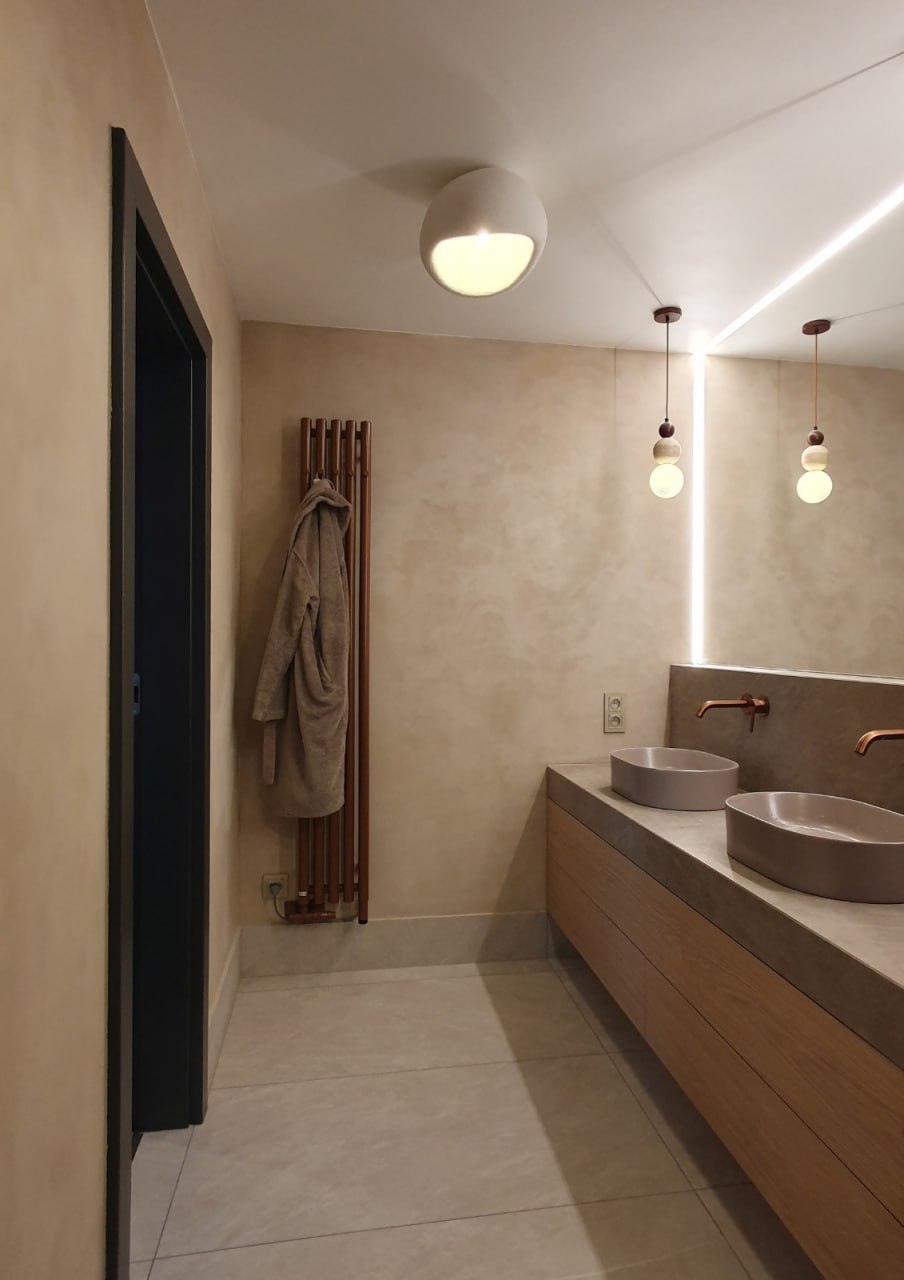
Top choices for bathroom interiors:
- Warm whites – clean, soft, and timeless
- Beige and sand tones – natural and relaxing
- Light greys – modern and subtle
- Muted earth tones – grounded and calming
- Soft taupe – perfect balance between warm and cool
Colors to be careful with:
- Very dark tones (can feel heavy in small bathrooms)
- Cold whites (can look flat with limewash)
- Highly saturated colors (less natural effect)
The key is to choose colors that feel soft and slightly desaturated.
Limewash Paint Texture in Bathroom Lighting
Lighting changes everything with limewash.
During the day:
- Natural light highlights movement in the finish
- Walls appear more dynamic
In the evening:
- Warm lighting softens the texture
- Creates a cozy, relaxing atmosphere
Best lighting choices:
- Warm LED (2700K–3000K)
- Wall sconces for indirect light
- Avoid overly harsh overhead lighting
Where to Use Limewash in a Bathroom
You don’t need to cover every wall. In fact, limewash often looks best when used selectively.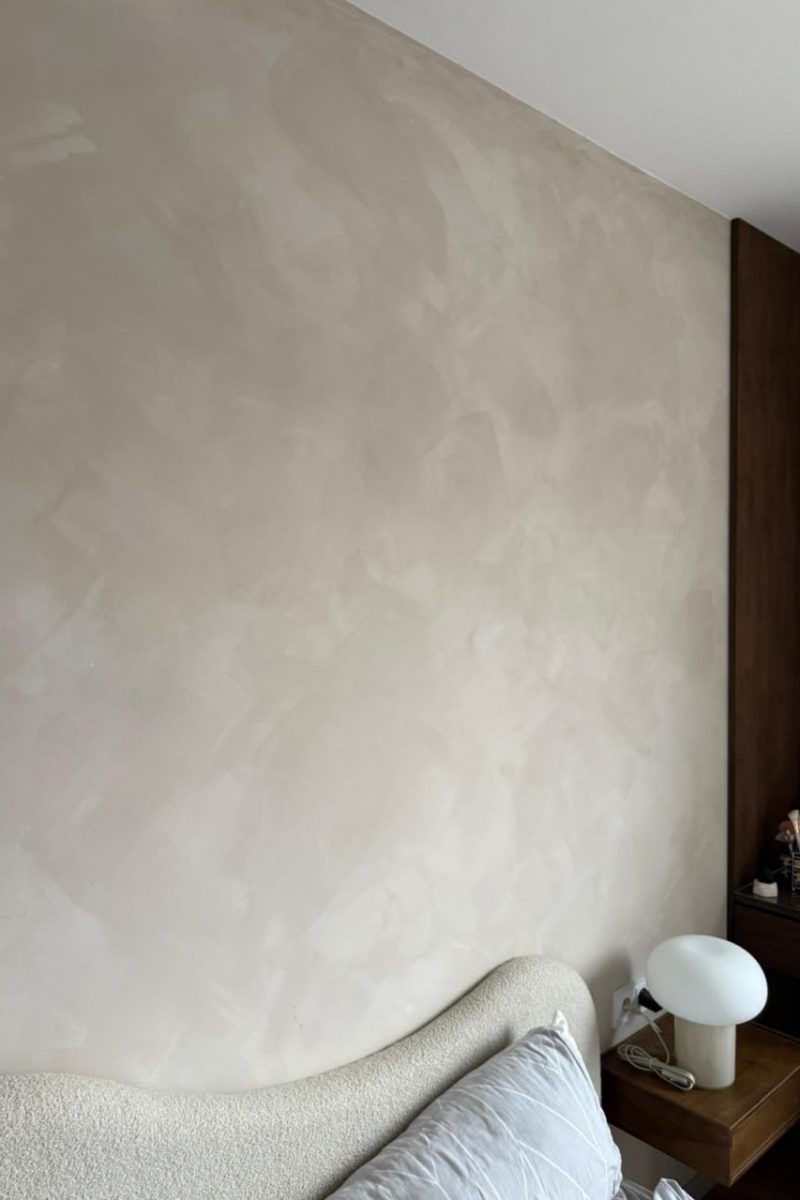
Great placements:
- Feature wall behind the bathtub
- Wall behind the vanity mirror
- Entire powder room
- Upper walls above tiles
Smart combinations:
- Limewash + stone tiles
- Limewash + wood accents
- Limewash + matte black fixtures
This mix creates contrast while keeping the overall look cohesive.
Do You Need to Seal Limewash in a Bathroom?
Sealing depends on how exposed the wall is to moisture.
When to seal:
- Near sinks
- In high-humidity bathrooms
- If you want easier cleaning
When sealing may not be necessary:
- Powder rooms
- Low-use bathrooms
- Walls far from water sources
Important:
- Use breathable sealers
- Avoid heavy coatings that remove the natural look
Maintenance and Cleaning
Limewash is relatively low-maintenance, but it’s different from standard paint.
How to care for limewash walls:
- Clean gently with a soft cloth
- Avoid harsh chemicals
- Do not scrub aggressively
- Spot clean instead of full washing
Over time, slight variations may appear—and that’s part of the charm.
Common Mistakes to Avoid
Using limewash in a bathroom is simple—but there are a few common mistakes.
What to avoid:
- Using it in direct water areas without protection
- Choosing the wrong color tone
- Expecting a perfectly uniform finish
- Using harsh cleaning products
- Ignoring lighting conditions
Limewash is meant to be imperfect. That’s what makes it beautiful.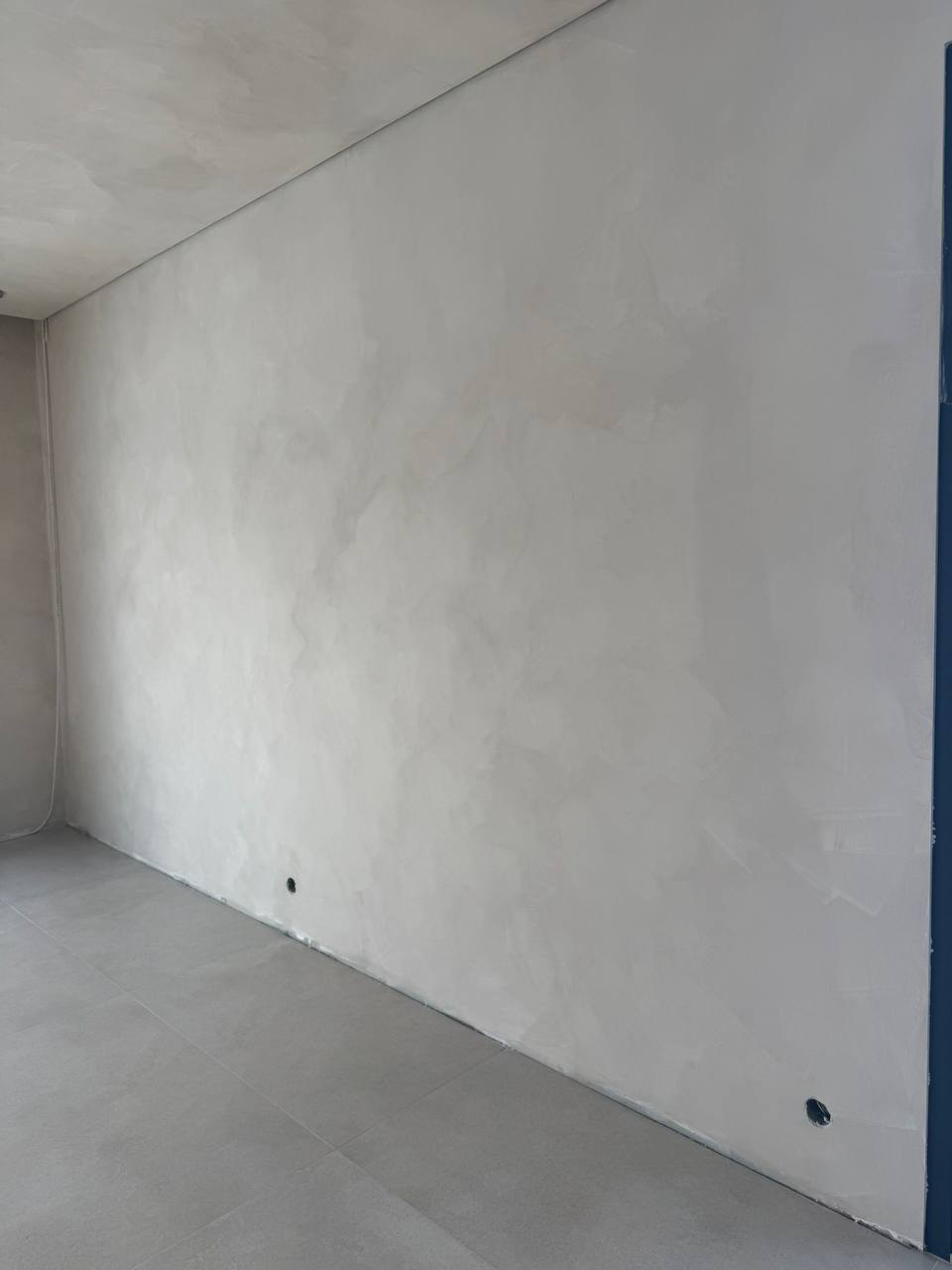
Is Limewash Worth It for a Bathroom?
If you’re aiming for a high-end, natural, and calming interior—yes.
Limewash gives you:
- Unique wall texture
- Timeless aesthetic
- Softer visual experience
- Better integration with natural materials
It’s not just paint—it’s a finish that changes how your space feels.
Final Thoughts
Limewash paint can completely transform a bathroom into a spa-like retreat. With the right placement, color, and lighting, it creates a space that feels calm, natural, and elevated.
The key is understanding where to use it, how to pair it with other materials, and how to embrace its natural texture.