
Limewash Paint on Brick — Interior Feature Walls
Limewash Paint on Brick — Interior Feature Walls
Limewash paint on brick is one of the most effective ways to transform an interior while preserving character and texture. Instead of covering brick completely, limewash enhances its natural structure, softens harsh tones, and creates a layered, breathable finish.
Whether you’re working with an exposed brick wall in a living room, bedroom, or kitchen, limewash can turn it into a refined focal point without losing its original charm.
In this guide, you’ll learn how limewash works on interior brick, where to use it, what colors to choose, and how to create a high-end feature wall.
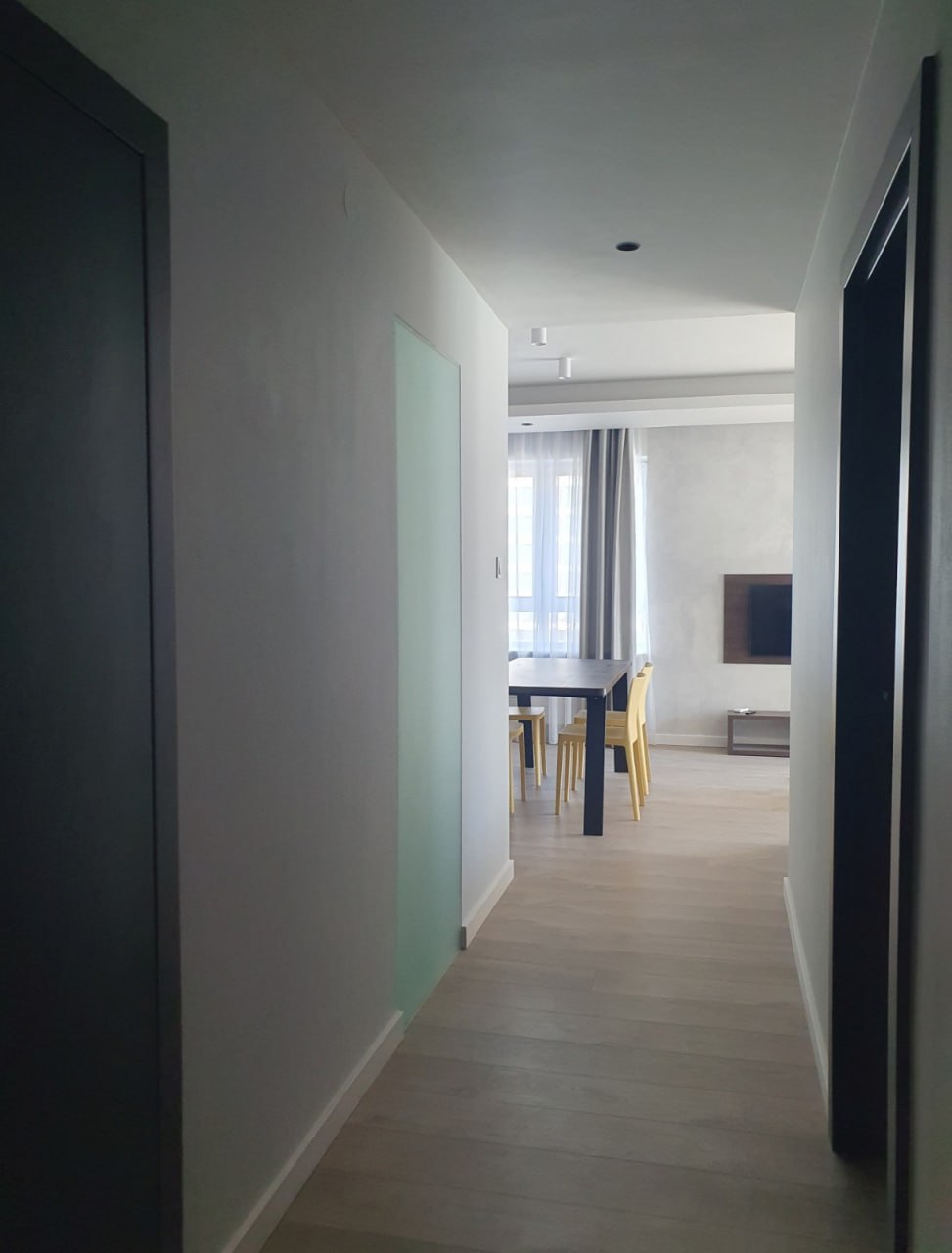
Why Limewash Works So Well on Brick
Brick and limewash are a natural combination. Limewash bonds beautifully with porous surfaces, and brick provides the perfect base.
Key benefits:
- Enhances natural brick texture
- Softens color without hiding detail
- Creates depth and variation
- Maintains a breathable surface
- Develops character over time
Unlike standard paint, limewash doesn’t sit on top—it becomes part of the surface.
What Makes Limewash Different from Regular Brick Paint?
Traditional paint covers brick. Limewash transforms it.
Main differences:
- Regular paint → flat, uniform finish
- Limewash → textured, layered look
- Paint → blocks surface
- Limewash → breathable and natural
- Paint → consistent color
- Limewash → tonal variation
This is why limewash is preferred for interiors that aim for a more organic and architectural feel.
Best Rooms for Interior Brick Limewash
Limewashed brick works in many spaces, but some benefit more than others.
Ideal areas:
- Living rooms (feature wall behind sofa)
- Bedrooms (headboard wall)
- Dining rooms (adds atmosphere)
- Kitchens (backsplash walls, non-splash zones)
- Entryways (first visual impact)
Use with caution:
- Very small rooms (can feel heavy if too dark)
- Low-light spaces (choose lighter tones)
The key is balance between texture and light.
Limewash Paint Colors for Brick Interiors
Color choice will define the entire look of your wall.
Popular limewash colors on brick:
- Warm white – softens red brick dramatically
- Off-white – keeps some warmth visible
- Light grey – modern and subtle
- Beige / sand – natural and earthy
- Charcoal – bold and moody
How color interacts with brick:
- Lighter tones → soften contrast
- Darker tones → emphasize texture
- Neutral tones → most versatile
Tip: brick undertones will still influence the final result.
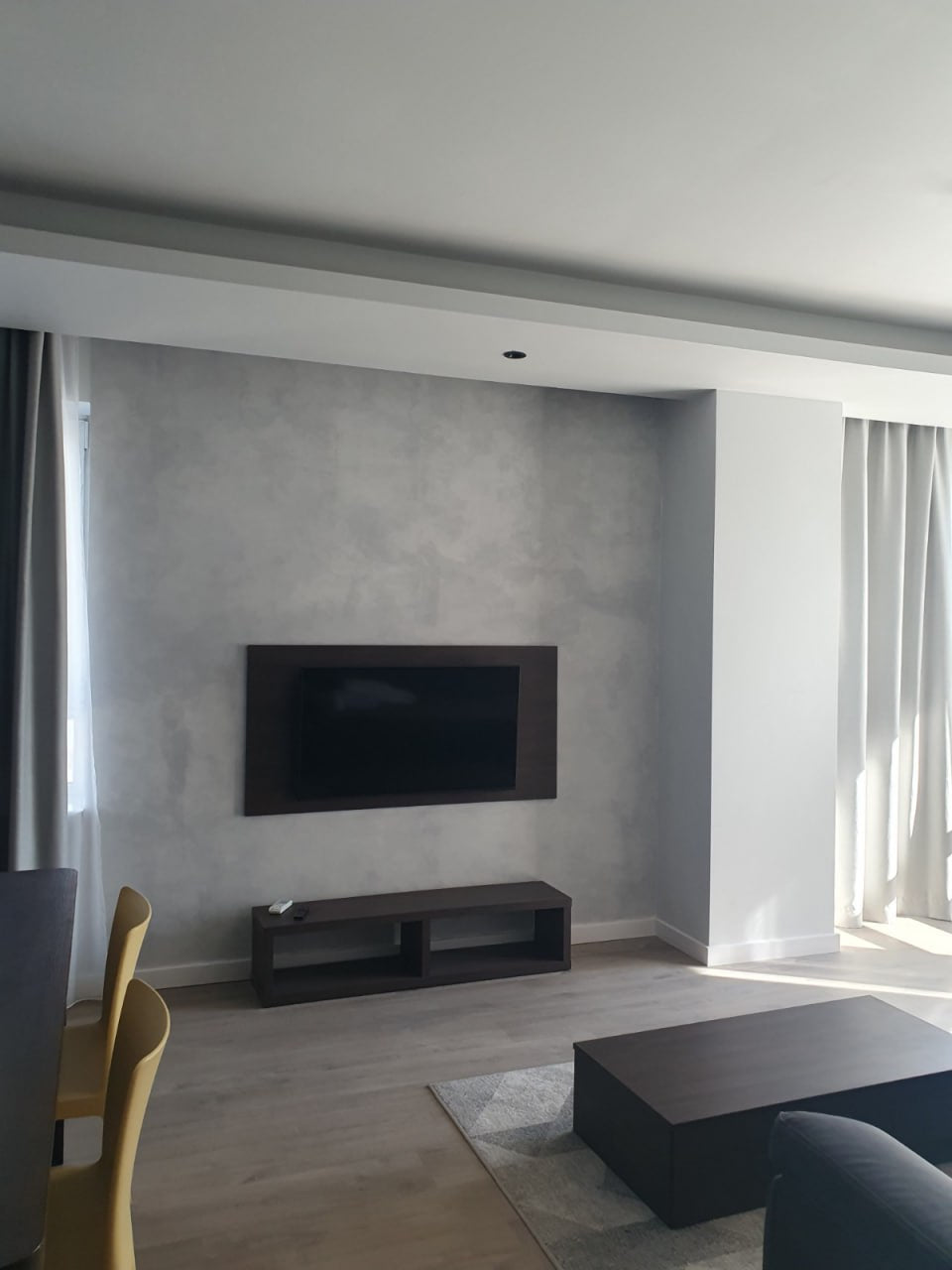
How Limewash Changes the Look of Brick
One of the biggest advantages is flexibility in appearance.
You can achieve:
- Lightly washed brick (subtle effect)
- Medium coverage (balanced look)
- Heavier coverage (more modern feel)
The final result depends on:
- Number of coats
- Water dilution
- Application technique
This makes limewash highly customizable.
Interior Brick Feature Wall Ideas
If you’re planning a feature wall, limewash gives you many creative options.
Popular ideas:
- Full wall limewash in living room
- Half wall with contrast above/below
- Fireplace wall transformation
- Accent wall behind bed
- Kitchen brick softened with light limewash
Design combinations:
- Limewash + wood furniture
- Limewash + black metal accents
- Limewash + stone surfaces
- Limewash + linen textiles
The result is a layered, natural interior.
How Lighting Affects Limewashed Brick
Lighting plays a major role in how limewash appears.
In daylight:
- Texture becomes more visible
- Color shifts subtly
In artificial light:
- Warm light softens the finish
- Creates a cozy atmosphere
Best lighting choices:
- Warm LED lighting
- Wall-mounted fixtures
- Indirect lighting
Avoid:
- Harsh, cool lighting
- Flat overhead-only lighting
How to Style a Limewashed Brick Wall
Styling should complement the texture—not compete with it.
Best practices:
- Keep decor minimal
- Use natural materials
- Stick to neutral color palettes
- Add soft textiles
What works well:
- Modern organic interiors
- Scandinavian style
- Industrial softened with natural elements
- Mediterranean-inspired spaces
Let the wall remain the focal point.
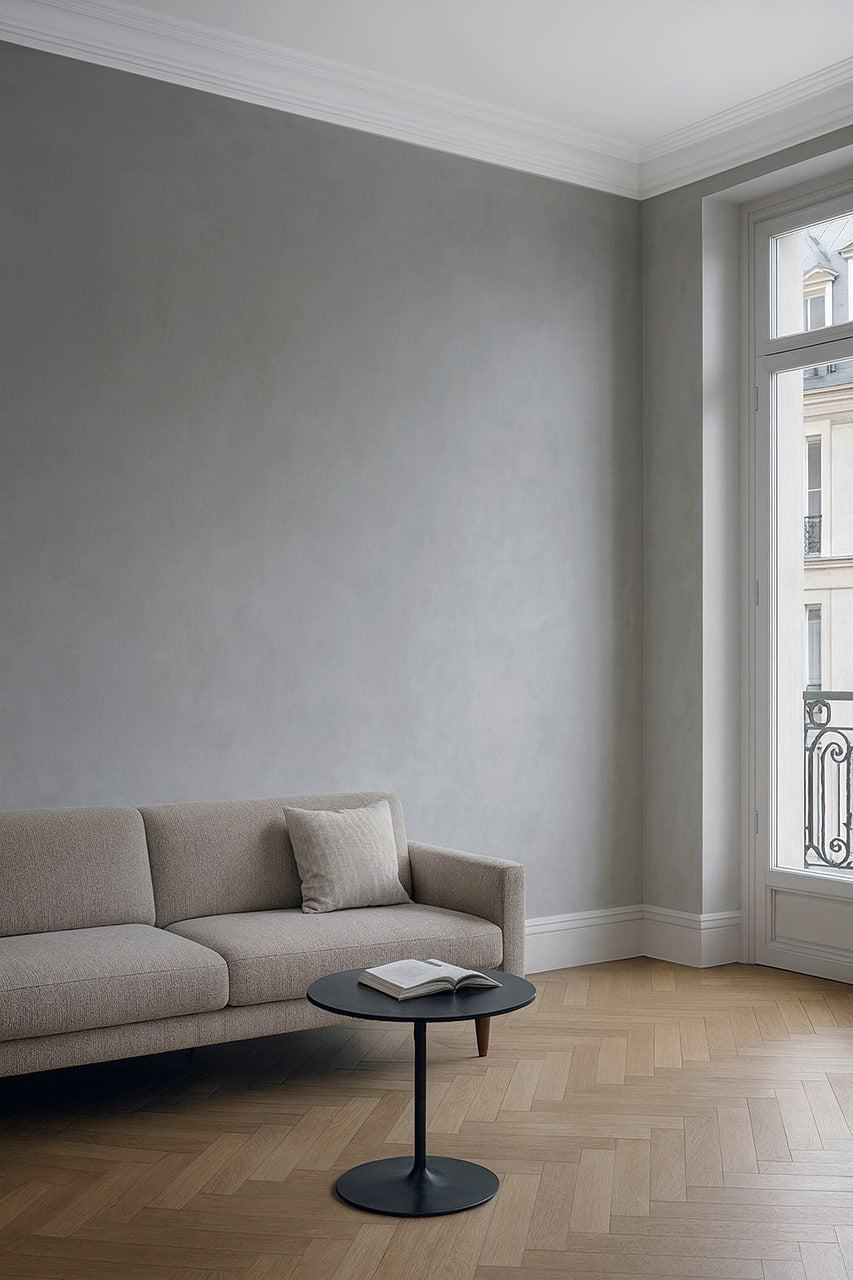
Common Mistakes with Limewash on Brick
While limewash is forgiving, there are common pitfalls.
Avoid:
- Applying on sealed or non-porous brick
- Choosing the wrong color tone
- Expecting full coverage like paint
- Ignoring lighting conditions
- Over-decorating the wall
Limewash is meant to enhance, not hide.
Maintenance of Limewashed Brick Walls
Maintenance is simple but different from painted walls.
How to care for it:
- Dust regularly
- Clean gently with a soft cloth
- Avoid harsh chemicals
- Do not scrub aggressively
Over time, natural variation may increase—and that’s part of the aesthetic.
Is Limewash Paint on Brick Worth It?
If you want to modernize brick without losing its character, absolutely.
You get:
- A softer, more refined look
- Natural texture and depth
- A breathable, mineral finish
- A timeless aesthetic
It’s one of the few finishes that improves with age.
Final Thoughts
Limewash paint on brick offers the perfect balance between old and new. It respects the original structure while enhancing it with softness, texture, and depth.
Whether you’re creating a feature wall or updating an entire room, limewash gives you a natural, high-end result that standard paint simply cannot replicate.